Do You Need an Inspection for a Co-op or Condo in NYC?
Buying an apartment in New York City is different from buying a house. One of the most popular questions condo and co-op buyers ask during their home search is “Should I do an inspection for my condo or a co-op apartment or is it a waste of money?”
In this guide, we’ll break down how inspections work for NYC apartments, what buyers should focus on, and how to avoid costly surprises after closing.
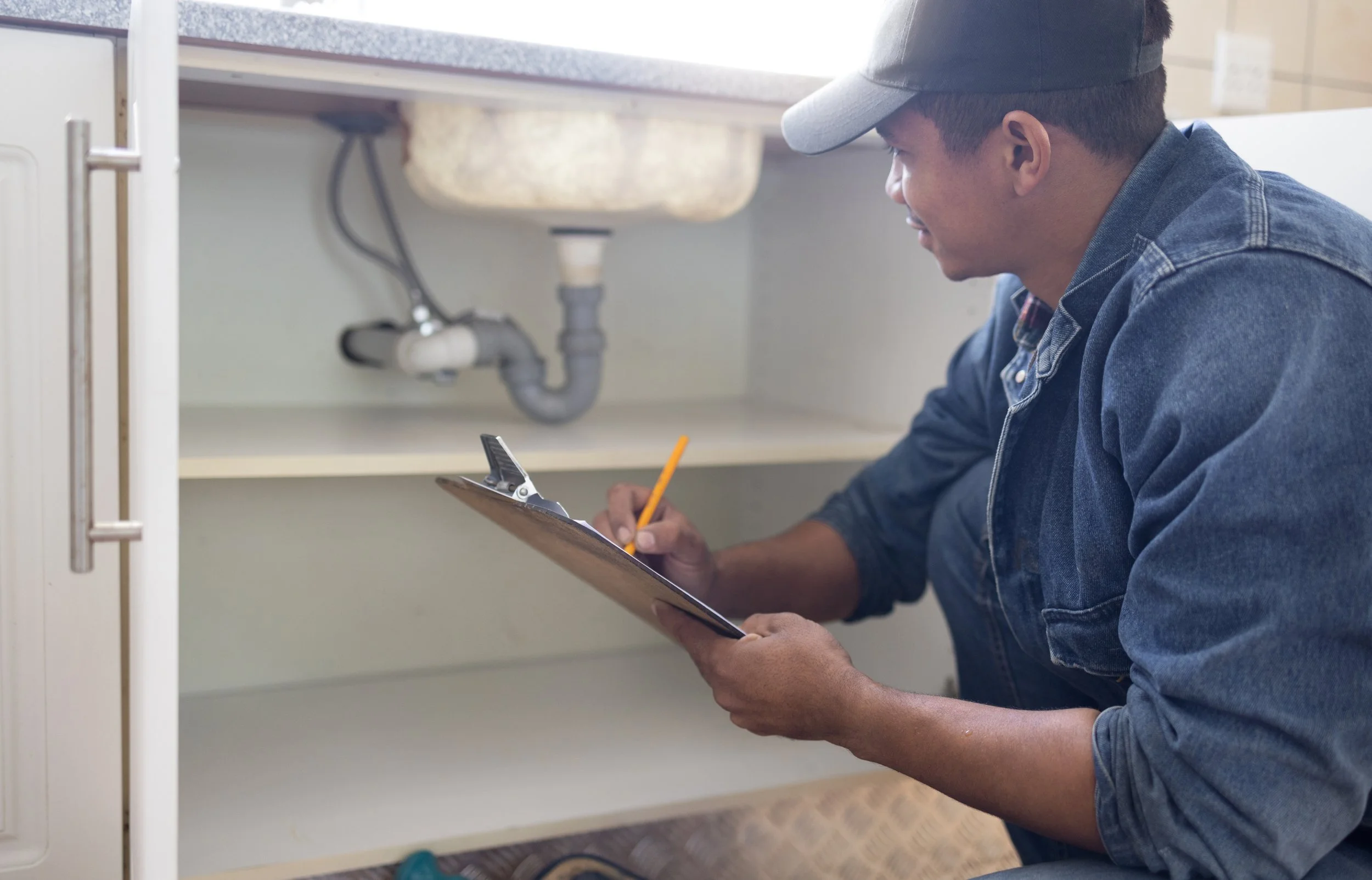
Inspection in NYC
When it comes to inspections for condos and co-ops in NYC, the primary difference compared to townhouses or traditional houses is the level of control you, as an apartment owner, have over the building’s structure.
When buying a house, an inspection is critical, because you are fully responsible for the entire property and no one will share the costs with you. The goal of the inspection is to uncover hidden issues, identify potential deal breakers and understand both immediate and future repair costs.
And a lot of times, depending on the area and the property you are looking to buy, besides the general inspection, you might need to do one or more special types of inspections as well. For example, if your inspector sees a major red flag in one of the components, it can be a chimney, HVAC system, foundation, roof or plumbing; they typically recommend that you hire a specialist in that particular area to quote the repair or replacement cost.
Things work a bit differently when buying a condo or a co-op apartment.
For co-ops, the corporation is responsible for all the building’s structural components, including the foundation, roof, elevators, plumbing, and common areas. The costs are shared among all shareholders through maintenance fees.
Similarly, in condos, the association is generally responsible for the building’s common elements, while individual unit owners are responsible for the interior of their units.
There are 2 important factors to consider
Is the building self-managed or professionally managed by a management company?
Does the building have a strong track record of maintenance and documented repairs?
Large buildings typically have professional management companies. Smaller buildings, usually 10 or fewer units, are often self-managed to keep costs lower.
In self-managed buildings, owners handle day-to-day operations and maintenance themselves or with a help of part-time property manager.
If you are buying in a large condo or co-op building, your inspection will usually be limited to the unit itself. Management companies typically do not allow access to common areas or building systems for inspections. However, in smaller or self-managed buildings, inspectors may have more access to areas like the basement or mechanical systems.
In most cases, your attorney will uncover any major building-level concerns during the due diligence process by reviewing financials, board minutes, and building reports.
Generally speaking, it’s almost always a good idea to do at least one general inspection of the unit you are trying to purchase. Inspectors frequently uncover issues such as appliance malfunctions, flooring damage, cracked tiles, signs of leaks (especially in top-floor units), moisture or drainage issues (especially in lower-level units), etc. Even minor findings can give you a better understanding of the condition of the property.
To summarize, doing an inspection of the unit is usually worth it. There are 3 possible outcomes.
The report comes back clean, but you almost always expect to see minor wear and tear items, unless you are buying a new development or a fully renovated unit.
Issues are discovered, giving you an opportunity to negotiate
A serious issue is found and you may decide to walk away from the deal
Usually for condos and co-ops, major red flags are more often identified during the attorney’s due diligence process rather than during the unit inspection. So most of the time it’s either option N1 or option N2. But keep in mind that your ability to negotiate repairs or credits will largely depend on the market conditions.
In a seller’s market, buyers often waive inspections to stay competitive in multiple-offer situations. Because even if your inspector discovers some issues inside the apartment, most likely you won’t be able to negotiate the price, unless it’s something serious and you just decide to walk away from the deal.
In a buyer’s market, you typically have more leverage and may be able to negotiate a credit or request repairs before closing.
Ultimately, the right approach depends on your specific situation, the condition of the apartment, and the market. Your agent and attorney should guide you through the process and help you make the best decision.
As a final takeaway, doing an inspection is almost always a smart decision. If the report comes back clean, you gain peace of mind knowing you’re purchasing a well-maintained apartment. The cost of an inspection is very small compared to the overall purchase price. If issues are uncovered, you can work with your agent and attorney to decide whether it makes sense to request a credit or repairs. In competitive situations where renegotiating after having an accepted offer can be a risk of losing the deal, the inspection still gives you a clear understanding of the apartment’s condition so you can plan ahead and budget accordingly.
